
Are House Prices Finally Falling?
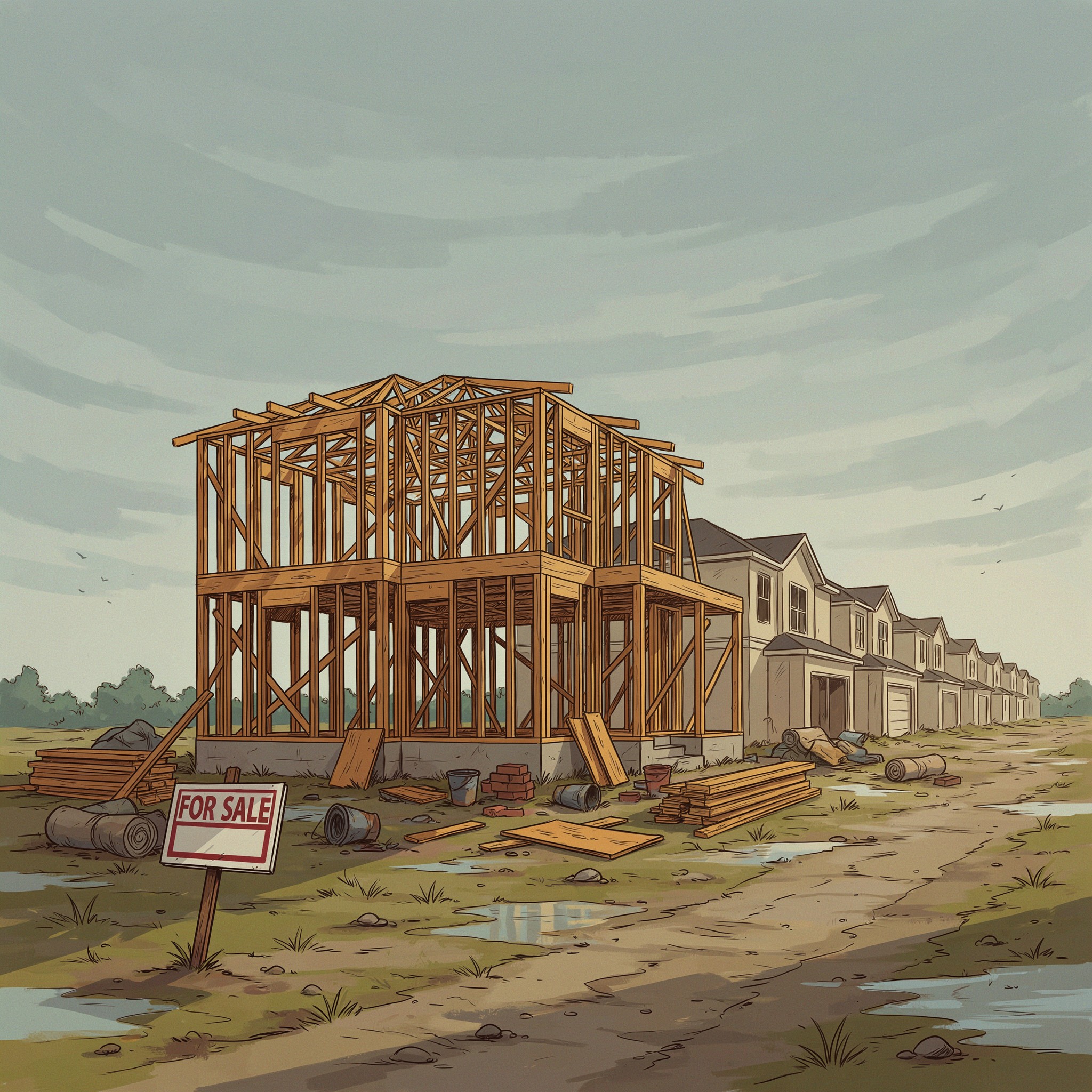
For years, buyers have been told to wait for prices to come down. Well, they are coming down, and the buyers are still waiting. In Britain, Rightmove says the average asking price for newly listed homes fell 1.8% in November to £364,270, a bigger drop than the usual November dip of 1.1%. Prices are 0.2% lower than a year ago and on track to end 2026 below where they ended 2025 (Rightmove, 2026).
America is drifting the same way. Cotality says US home prices fell 0.3% from August to September, the largest monthly decline since 2022, even though prices remain 1.7% higher than a year earlier. It expects annual growth to slow to 0.9% (Cotality, 2026). Another tracker counts four straight weeks of falling prices, the first such run in three years (Thomas, 2026).
Why Does Cheaper Not Feel Cheaper?
Here is the cruel math. The median US house price has slipped from about $409,000 in 2023 to about $389,000 today. Over the same period the 30 year mortgage rate rose from about 6.8% to about 7.2%. With 20% down, the monthly payment fell from $2,135 to about $2,110, a saving of roughly $25 a month (Thomas, 2026).
| 2019 | 1,030 |
| 2023 | 2,135 |
| 2026 | 2,110 |
Small rate moves carry big price tags. Cotality calculates that when the 30 year rate rose from 6.5% to 7.5%, the monthly payment on a median priced home rose by $300. A household now needs an income of about $103,000 to afford the median US home, and $180,900 in California (Cotality, 2026). Those rates track government borrowing costs, which is why we keep watching the 10 year Treasury yield above 5%.
Britain has the same problem in a different accent. The average two year fixed mortgage rate is 5.51%, up from 4.25% before the war in Iran began, which Rightmove estimates adds just over £200 a month to a typical new mortgage. Its property expert Colleen Babcock said, "It's unlikely we'll see any significant fixed mortgage rate drops soon" (Rightmove, 2026).
A lower price on a higher rate is a discount on the wrong number. Buyers do not live in the sticker price, they live in the monthly payment.
A lower price on a higher rate is a discount on the wrong number.
Who Has the Upper Hand Now?
In Britain, buyers do, at least on choice. The number of homes for sale is at a 12 year high, the most choice since 2014. New buyer demand is 8% lower than a year ago, and agreed sales are down 7% (Rightmove, 2026).
Sellers who price sensibly still move quickly. Homes that never needed a price cut found a buyer in 39 days on average, against 119 days for homes that did (Rightmove, 2026). The lesson is that a realistic first price beats a hopeful one followed by an apology.
There is a twist for renters. For typical first time buyer homes, average rent is £1,292 a month while the average mortgage payment with a 10% deposit is £1,230 (Rightmove, 2026). Buying can be cheaper each month, if you can raise the deposit, which is exactly the hard part.
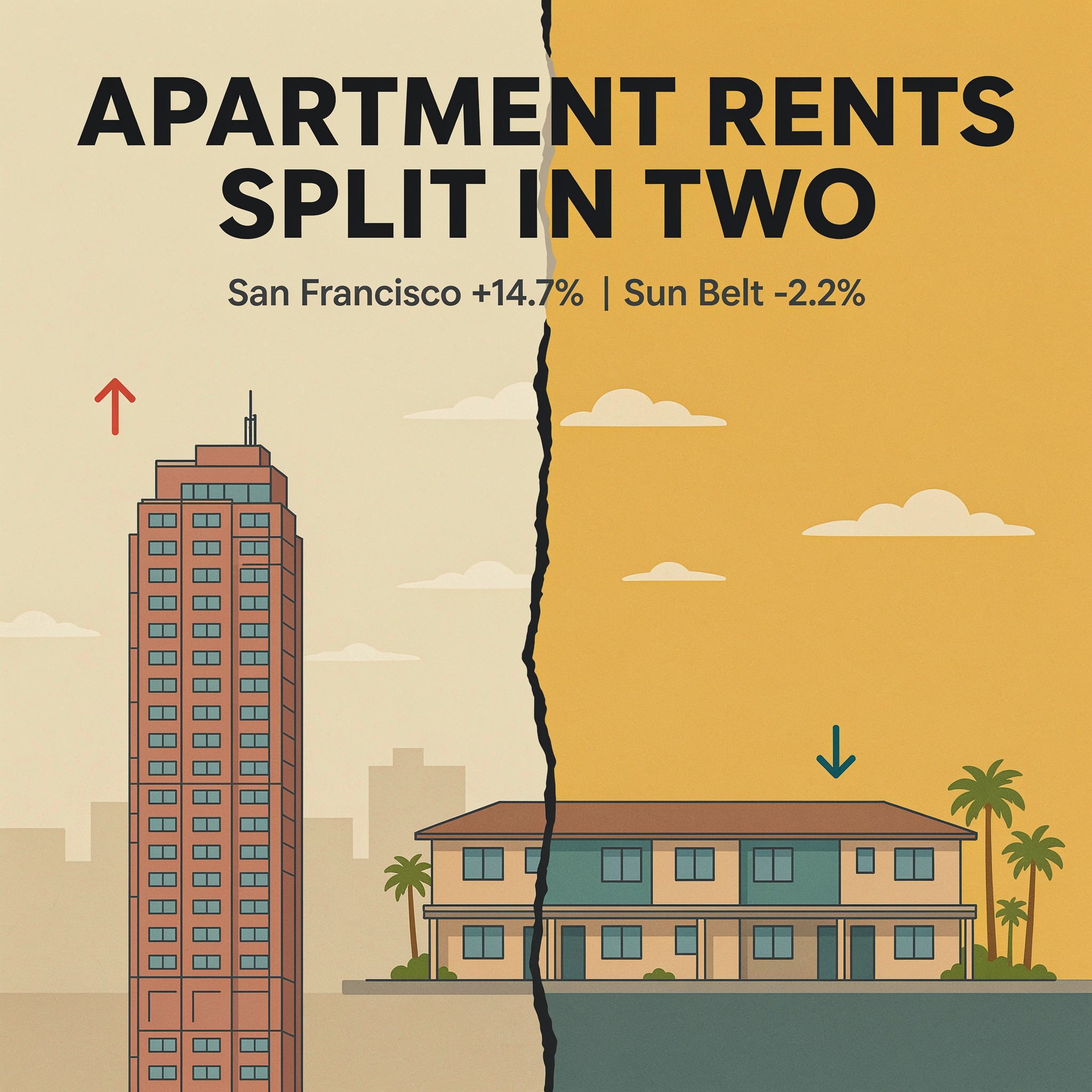
In the United States, the answer depends on the map. Illinois prices are up 6.9% over the year, while Washington is down 1.0%, Texas 0.4% and Austin 2.0% (Cotality, 2026). It is the same split we found in apartment rents.
The Market That Rewards Patience, Mostly
A word of caution about the numbers. Rightmove tracks asking prices for new listings, not final sale prices, so real deals may land elsewhere. The US payment comparison comes from a personal finance company's estimates, not an official dataset, so treat it as a useful illustration rather than gospel.
The direction is still clear. Cotality chief economist Selma Hepp said, "Elevated mortgage rates are expected to limit home buying opportunities in 2027" (Cotality, 2026). That fits what we described in why housing could stay frozen through 2027.
The hopeful part is that buyers finally have leverage. More homes for sale, fewer competitors and sellers who need to move add up to room to negotiate. You cannot control the mortgage rate, but you can control how hard you bargain on everything else.
What You Can Actually Do About It
Compare homes by total monthly cost, including the mortgage, taxes and insurance, not by sticker price. Get rate quotes from several lenders, and do not assume rates will fall soon. If you are buying in Britain, use the high number of homes for sale to negotiate on price and terms. If you are selling, set a realistic price from day one, since cuts later can triple the wait. If you rent, check whether a mortgage would cost less each month and how long it would take to save the deposit. Then ask yourself, what matters more to you when buying a home, the price or the mortgage rate?
References
Cotality. (2026, November 3). US home price insights, November 2026. Cotality. https://www.cotality.com/insights/articles/us-home-price-insights-november-2026
Rightmove. (2026, November 16). Rightmove house price index, November 2026. Rightmove. https://www.rightmove.co.uk/news/content/uploads/2026/11/Rightmove-HPI-16th-November-Final-1.pdf
Thomas, M. (2026, November 16). Housing prices are falling. Buying a house still isn't cheaper. Briefs. https://www.briefs.co/housing-prices-falling-not-cheaper/

Comments (0)
No comments yet — be the first to comment.
Leave a comment