
Why Did the 10 Year Treasury Yield Just Cross 5%?
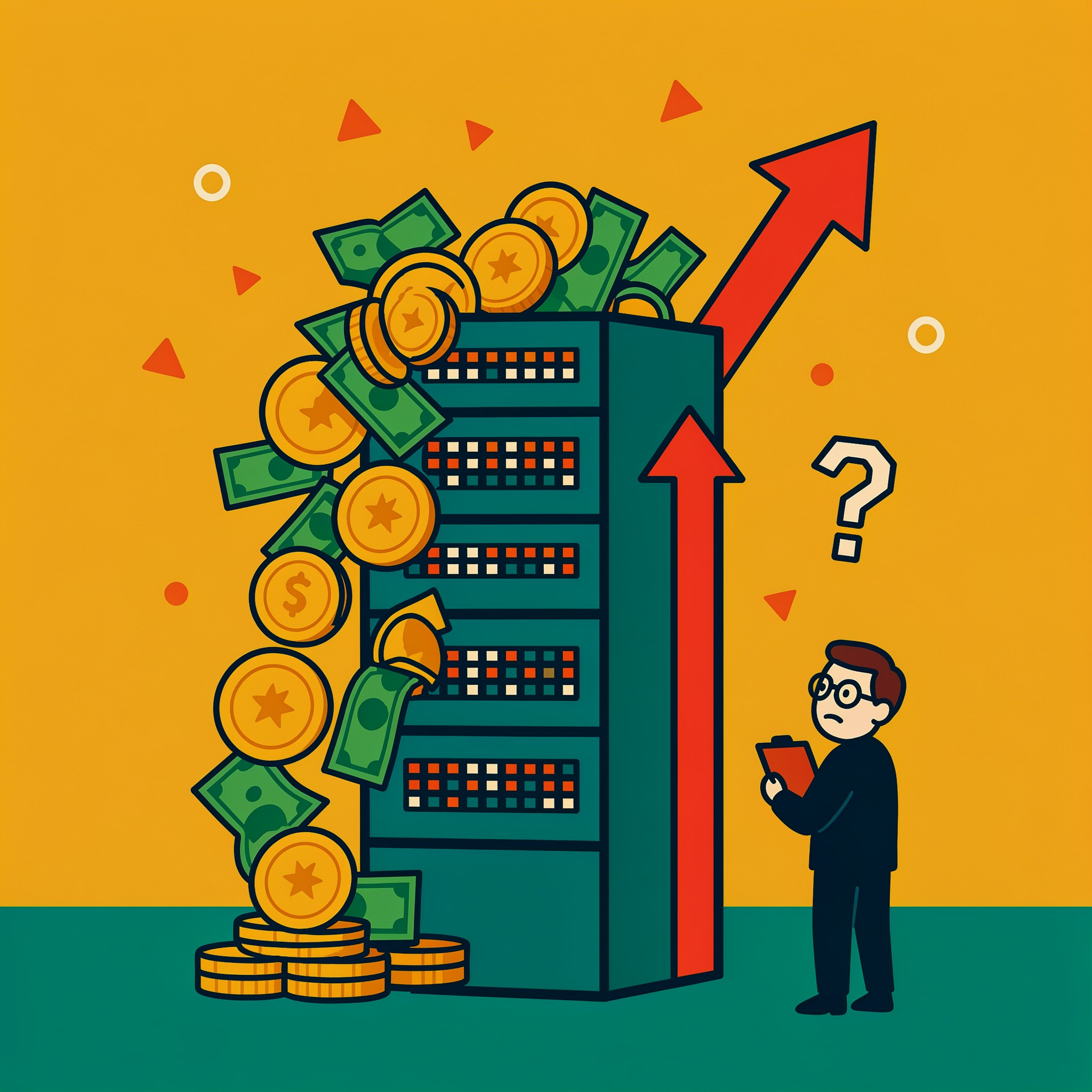
For most of the past two decades, a 5% yield on a 10 year US government bond was something your parents talked about, like landlines. This September it came back, when the benchmark touched 5% for the first time since 2023 (Bio, 2026). This week it stopped visiting and moved in, with the 10 year Treasury yield rising to 5.145% (Fernández, 2026).
The trigger was inflation that refused to read the script. Consumer prices rose 0.4% in October against the 0.3% economists expected, and core prices, which leave out food and energy, rose 0.3% against a forecast of 0.2% (Yadav, 2026). Producer prices were up 6.5% from a year earlier (Fernández, 2026).
Markets did the math quickly. The 2 year yield jumped more than 18 basis points to 4.736%, its sharpest rise since April 2025. The 10 year climbed 13 basis points to 4.992% after crossing 5% during the day, and the 30 year reached 5.352% (Yadav, 2026).
| 2 year | 4.736% |
| 10 year | 4.992% |
| 30 year | 5.352% |
The Auction Nobody Wanted to Win
There is a second, less glamorous reason. The US Treasury sold $42 billion of 10 year notes and demand was weak. Dealers were left holding about 10% of the issue, the highest share since May (Yadav, 2026).
That matters because a government that borrows this much needs enthusiastic lenders. When buyers hesitate, the borrower has to offer a higher yield to tempt them, and that yield becomes the reference point for borrowing across the economy. It is the same pressure we described when global debt hit a record $348 trillion.
A little skepticism is healthy here. Demand was weak, not absent, and one soft auction is not a buyers' strike. It is, however, exactly the kind of detail bond traders remember.
What Does a 5% Yield Mean for Stocks, Gold and You?
Higher yields make future company profits worth less today, and growth stocks feel it most because their profits lie furthest in the future. The Nasdaq Composite fell 0.91% to 25,136 and the S&P 500 slipped 0.40% to 7,562. The Dow rose 0.10% as investors kept older industrial names (Fernández, 2026).
Gold got no sympathy either. It slipped 0.16% to $3,874 an ounce as a firmer dollar and higher yields weighed on it (Fernández, 2026). Gold pays no interest, so when a government bond pays over 5%, the shiny metal has to compete with a guaranteed coupon. We saw the early signs when gold hit a three month low before the last Fed meeting.
For everyone else, the 10 year yield is the reference point lenders use for long term loans. When it climbs, borrowing for a home or a business tends to get more expensive. The flip side is that savers can finally earn something for lending money, which is not a sentence anyone wrote much in the 2010s.
The Fed Has a Date and Nobody Likes the Menu
The Federal Reserve meets on December 8 and 9 (Fernández, 2026). Fed Governor Christopher Waller has said a 50 basis point increase could be considered in December if inflation stays elevated. Lindsey Rosner of Goldman Sachs Asset Management has suggested persistent inflation could keep rate increases on the table through 2027 (Yadav, 2026).
One thing could still change the mood, and that is oil. Brent crude briefly fell below $90 a barrel before settling at $91.49, down 1.17% (Yadav, 2026). If energy keeps easing, some of the inflation pressure could ease with it, and the hike talk could cool as quickly as it heated up.
The bond market is not predicting disaster, it is repricing the cost of money. That adjustment is uncomfortable mostly for anyone who planned as if cheap money was permanent.
The bond market is not predicting disaster, it is repricing the cost of money.
What You Can Actually Do About It
Check any loan with a floating rate or a rate that resets soon, and ask your lender what a higher rate would do to the payment. If your savings sit in an account paying almost nothing, compare it with what savings accounts and government bonds now offer. If you invest, look at how much of your portfolio sits in growth stocks that are sensitive to yields, and avoid big moves based on a single week of data. Then ask yourself, if borrowing costs stayed this high for years, which of your plans would change first?
References
Bio, D. (2026, September 14). Benchmark US Treasury yield topped 5% for first time in years as odds of rate hike climbed further. International Business Times. https://ibtimes.com/benchmark-us-treasury-yield-topped-5-first-time-years-odds-rate-hike-climbed-further-3807420
Fernández, D. (2026, November 14). Nasdaq falls 0.9% as US bond yield tops 5%. The Rio Times. https://www.riotimesonline.com/global-economy-briefing-november-14-2026/
Yadav, M. (2026, November 11). US bond yield crosses 5% as inflation surges, December Fed rate hike fears rattle global markets. Free Press Journal. https://www.freepressjournal.in/business/us-bond-yield-crosses-5-as-inflation-surges-december-fed-rate-hike-fears-rattle-global-markets

Comments (0)
No comments yet — be the first to comment.
Leave a comment