Introduction
Every time tariff discussions return to center stage the global economy reacts with the same energy as someone being told the WiFi password has been changed without warning. Companies panic consumers wonder whether prices will rise again and policymakers scramble to interpret the latest statements. With new tariff proposals being floated and international partners preparing counter moves trade is entering yet another dramatic season.
Body
Tariffs are tools with very real consequences. When the United States threatens higher import duties on China Europe or other major partners supply chains shift almost overnight. In 2024 and 2025 economists observed that manufacturers accelerated a trend toward friendshoring and nearshoring to reduce exposure to unpredictable geopolitical developments (World Bank 2024). This is less about patriotism and more about lowering risk.
Trade tensions also ripple through commodity markets. When tariffs hit steel aluminum microchips or renewable energy technology the cost of production rises and inflation quietly creeps back like an uninvited guest at a dinner party. Families feel these changes first when cars electronics or groceries show surprise price increases. Sustainability also suffers because rerouted supply chains increase emissions and reduce efficiency (International Energy Agency 2024).
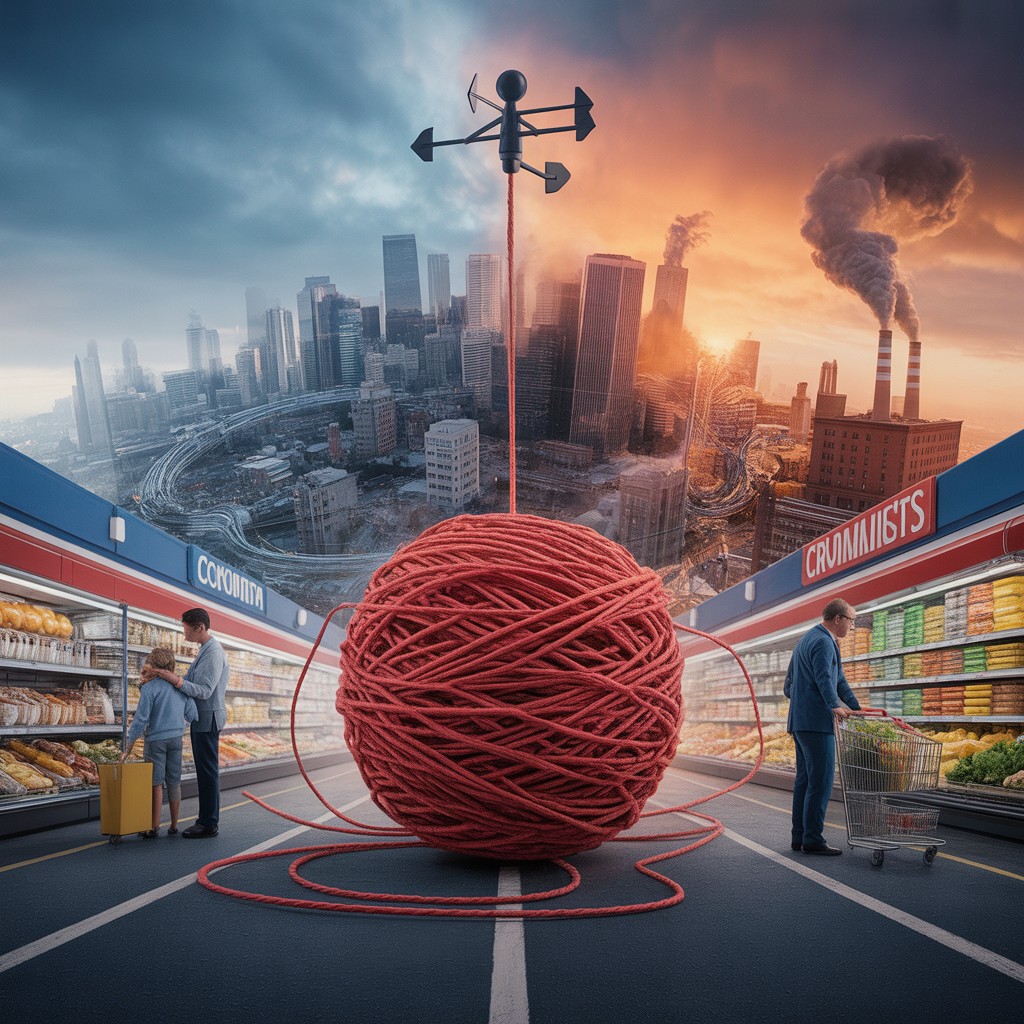
The irony is that tariffs meant to protect local industries sometimes raise costs for those same domestic producers who rely on imported components. Global trade is a tangled web and pulling on one thread shakes the entire system. Ethical considerations include fairness to workers in affected industries and transparency in how tariff policies are communicated to the public.
Conclusion
Tariffs are not inherently good or bad but they are powerful and unpredictable. They reshape economies in real time influence sustainability outcomes and demand careful interpretation.
What is in it for the reader
You gain the clarity to prepare your budget investment choices and career planning for a world where trade policy swings can reshape prices and job availability. Stay informed watch for sudden tariff announcements and consider diversifying your investments and skills to remain resilient.
References
International Energy Agency. (2024). Global supply chain emissions.
World Bank. (2024). Trade and development update.
Comments (0)
No comments yet — be the first to comment.
Leave a comment