The Green Future Has a Very Small Guest List
The clean technology future runs on minerals that most of us could not pick out of a lineup. The United Nations Conference on Trade and Development projects that lithium demand will rise 353% between 2024 and 2040, and graphite demand will rise 131% (UNCTAD, 2026).
Clean technologies are the reason. Their share of lithium demand is projected to grow from 62% in 2024 to 87% in 2040 (UNCTAD, 2026).
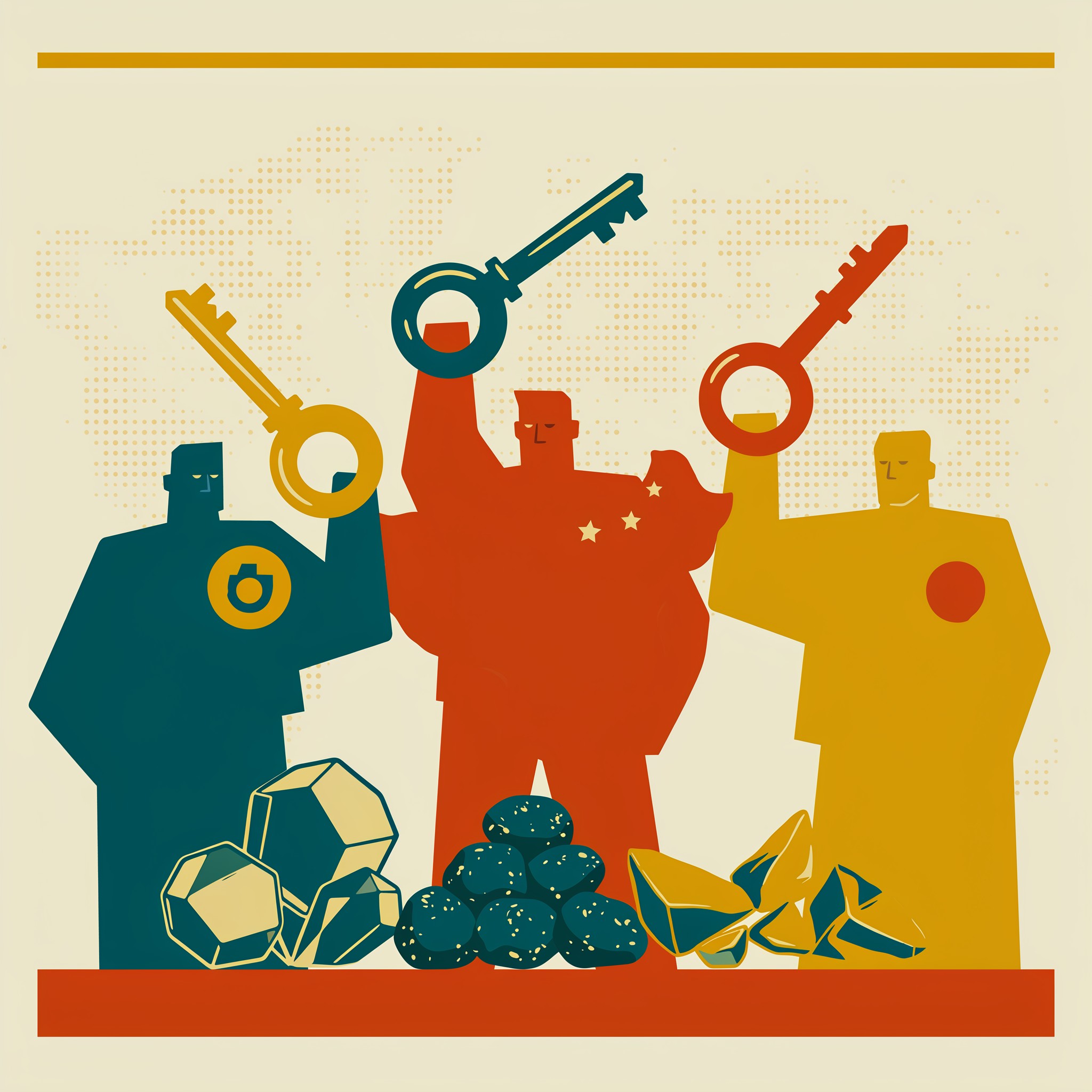
Three Countries Hold the Keys
Supply is the awkward part. In 2025 the Democratic Republic of the Congo produced 74% of global cobalt mine output, Indonesia 67% of nickel and China 69% of rare earths (UNCTAD, 2026).
| Cobalt, DRC | 74% |
| Rare earths, China | 69% |
| Nickel, Indonesia | 67% |
Digging is only half the story. Refining is dominated by China for rare earths, lithium and cobalt, while Indonesia holds 43% of global nickel refining capacity (UNCTAD, 2026).
When Everyone Starts Locking Their Doors
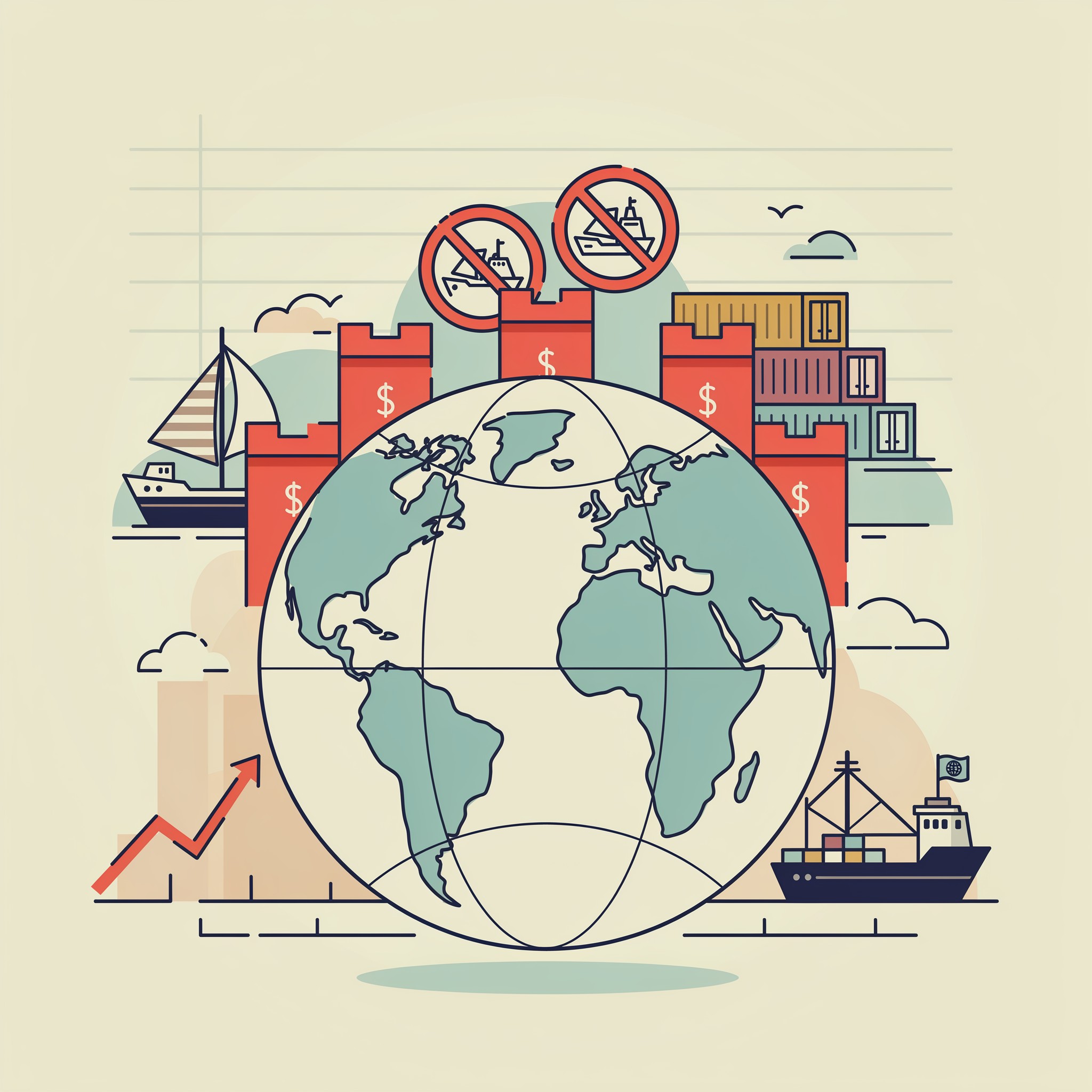
Governments have noticed, and they are acting. Since 2020 there have been nearly 100 new export measures, made up of 37 licensing requirements, 31 export taxes, 29 export bans and one export quota. The DRC has introduced the most, followed by China and Indonesia (UNCTAD, 2026).
Countries are also making friends. UNCTAD analyzed 73 critical mineral partnership agreements, 58 of them signed since 2022. Most focus on upstream activities, and deals with developing countries focus narrowly on extraction (UNCTAD, 2026).
Everyone wants the minerals, and nobody wants to share the map. Without stronger international coordination, trade may fragment into competing blocs (UNCTAD, 2026).
Everyone wants the minerals, and nobody wants to share the map.
What You Can Actually Do About It
You will not renegotiate global trade, but you can ease the pressure. Keep your phone and laptop longer, repair before you replace, and recycle old electronics so their metals stay in use. If you run a business, map which suppliers depend on a single country, and if you invest, ask the same question of the companies you own. Then ask yourself, if a key mineral became scarce, which of your gadgets would you miss first?
References
United Nations Conference on Trade and Development. (2026, June 11). Global trade update June 2026, shifting dynamics in critical minerals trade (UNCTAD/DITC/INF/2026/6). UNCTAD. https://unctad.org/publication/global-trade-update-june-2026-shifting-dynamics-critical-minerals-trade

Comments (0)
No comments yet — be the first to comment.
Leave a comment