Introduction
Consumers upgrade devices faster than ever. Cars age quickly in technological terms. This creates waste. But modern trade in programs from electronics retailers automobile companies and recycling enterprises are changing the game.
Body
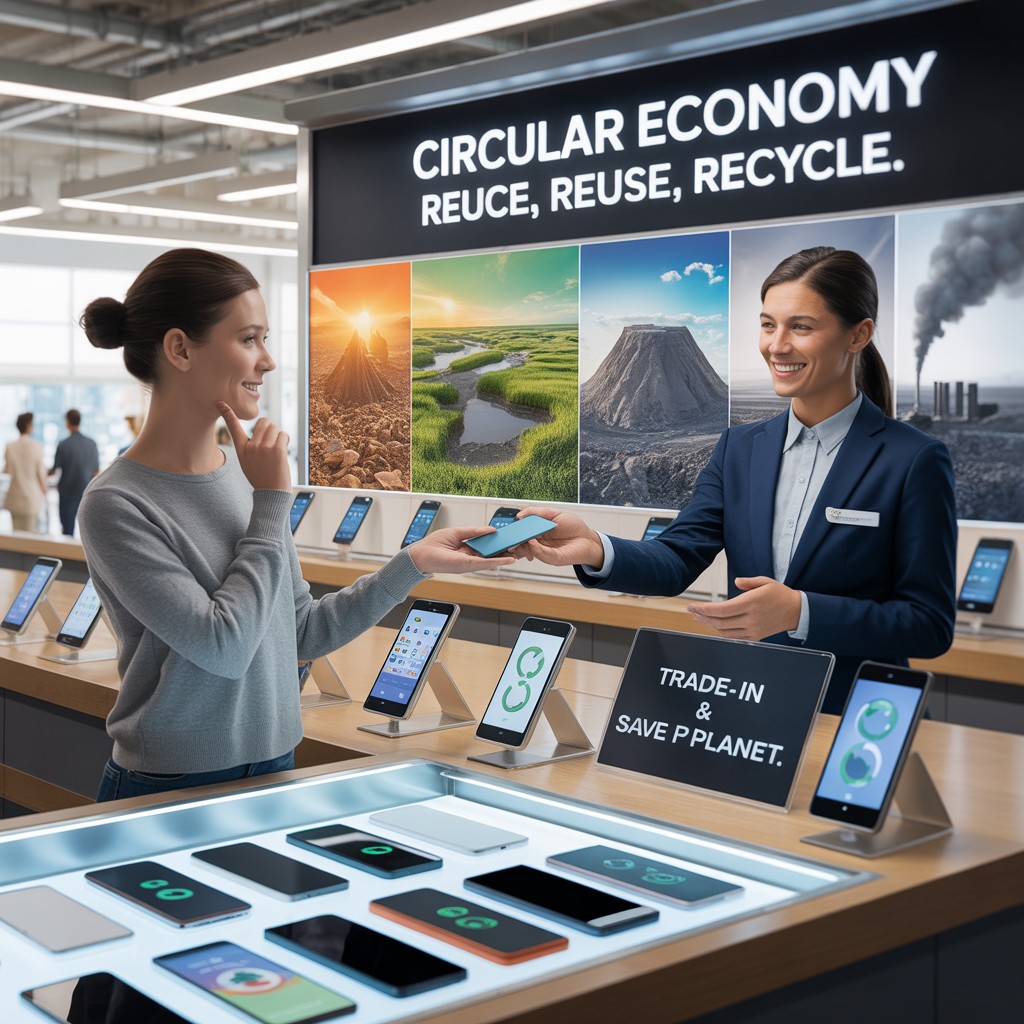
Electronic waste is one of the fastest growing waste streams in the world (United Nations 2024). Trading in devices reduces landfill impact and enables recycling of precious metals that would otherwise require destructive mining. This results in significant environmental benefits and reduces carbon emissions.
Car trade ins also contribute to sustainability by extending vehicle life cycles and reducing manufacturing demand. Newer cars with updated safety features and fuel efficiency also reduce social and environmental costs. Ethical recycling programs ensure toxic materials are handled responsibly.
Economically trade in values matter. High demand for refurbished devices has created profitable markets benefiting consumers who choose to trade in rather than discard. Companies that run transparent recycling programs earn consumer trust and contribute to corporate responsibility.
Conclusion
Trading in old assets is both financially smart and environmentally responsible. It empowers consumers to contribute to sustainability goals without sacrificing convenience.
What is in it for the reader
Trade in your old devices and cars instead of throwing them away. You save money reduce waste support ethical recycling and help create a circular economy that benefits future generations.
References
United Nations. (2024). Electronic waste report.
Comments (0)
No comments yet — be the first to comment.
Leave a comment