Why Are Canada and China Suddenly Friendly Again?
For most of the past eight years, the relationship status between Canada and China would have read "it's complicated." Ties soured in 2018 over Canada's arrest of the Huawei founder's daughter on a US warrant and China's detention of two Canadians on espionage charges. The two countries then imposed tariffs on each other (AFP, 2026).
The thaw began in January, when Mark Carney became the first Canadian prime minister to visit China since 2017 (AFP, 2026). This week he met Xi Jinping in Shenzhen ahead of the APEC summit, their third meeting since Carney took office (Reuters, 2026). Xi called the situation a "turnaround" in ties and said, "This is the right choice" (AFP, 2026).
What Is in the New Canada China Tariff Deal?
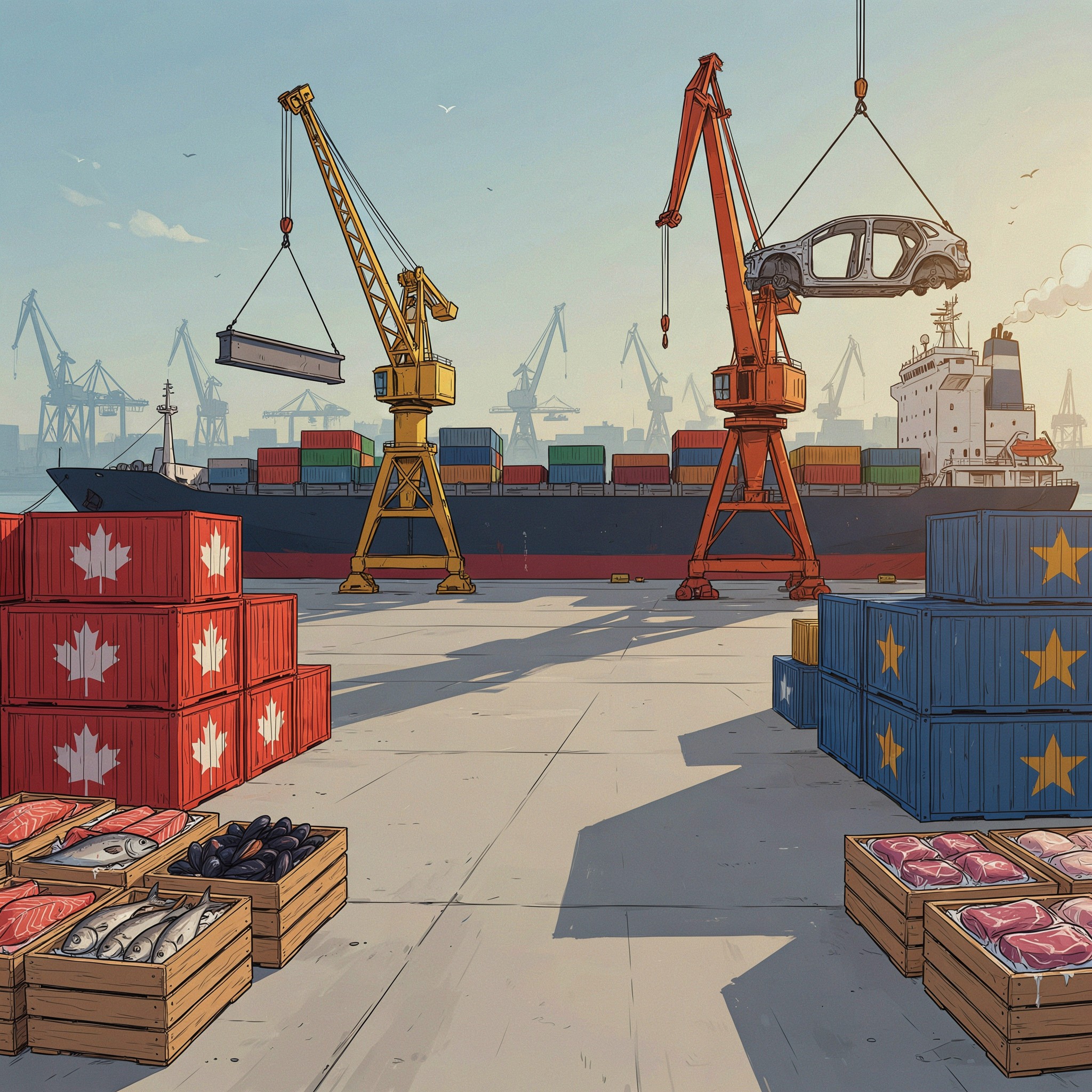
The new package is modest but specific. China will add tariff relief on about C$400 million of Canadian exports, made up of C$116 million of frozen pork cuts and C$285 million of fish and seafood. In return, Canada will extend by two years its tariff remission on some Chinese steel and aluminum, which was due to expire at the end of 2026 (AFP, 2026).
The bigger moves came earlier. Canada says it has now restored market access for over 90% of the trade that faced tariffs, nearly C$7.5 billion of exports (AFP, 2026). Under the January deal, China's duty on Canadian canola seed was expected to fall to 15% from 84%, and up to 49,000 Chinese electric vehicles a year can enter Canada at a 6.1% tariff, down from 100% (Castanet, 2026). That quota is set to rise to 70,000 over five years (Reuters, 2026).
| Canada on Chinese EVs, before | 100% |
| China on canola seed, before | 84% |
| China on canola seed, after | 15% |
| Canada on Chinese EVs, after | 6.1% |
Energy is moving too. Canadian crude oil shipments to China rose about 37% in 2026, according to a Reuters calculation (Reuters, 2026). Carney says Canada is "well ahead of our schedule" toward raising exports to China by 50% by the end of the decade (AFP, 2026).
Is Canada Hedging Against Trump?
Nobody in Ottawa will say it that bluntly, but the map says it for them. Carney's strategy aims to reduce Canada's heavy reliance on the United States, which has put hefty tariffs on many Canadian products (Reuters, 2026). Last year President Trump imposed heavy tariffs on Canada's auto sector, and Carney walked away from trade talks with Washington in August, although both sides have recently sounded optimistic about a deal (AFP, 2026).
Carney's own summary was pure pragmatism. "We take the world as it is, not as we wish it to be," he said of the January agreement (Castanet, 2026). Canada has not left its biggest partner. It has simply updated its profile and started returning calls.
The logic is familiar to any small business owner. A customer who buys three quarters of your output can set your terms, as we saw in who actually pays for tariffs. Every new buyer is a little insurance.
The Price Tag Nobody Lists
There are real winners. Saskatchewan produces just over half of Canada's canola, and Pulse Canada estimates about $700 million a year of yellow peas were displaced by Russian products during the dispute (Castanet, 2026). For farmers, a lower duty is the difference between a market and a museum exhibit.
There are real objections too. Critics point to the imprisonment of Hong Kong media figure Jimmy Lai, China's execution of four Canadians last year, and Canadian intelligence findings that Beijing interfered in at least two federal elections. China says it has no interest in interfering in Canada's affairs (Reuters, 2026). Ontario Premier Doug Ford wants the EV tariffs kept unless China builds an EV factory in Ontario with unionized Canadian workers (Castanet, 2026).
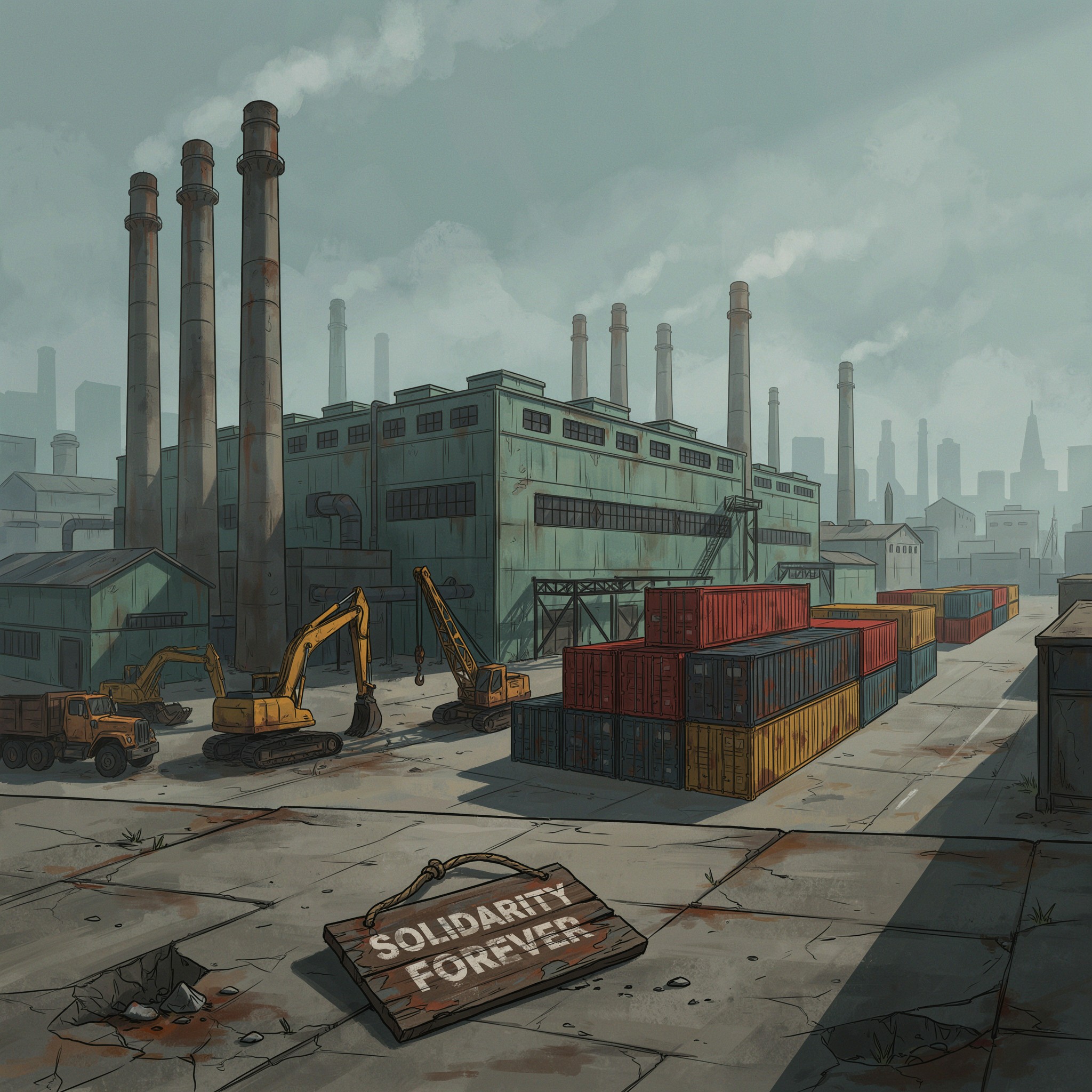
Ford's worry is not abstract. BYD, Geely and Chery have already taken steps to enter the Canadian market (Reuters, 2026). Cheaper cars help drivers, but the same quota that helps a family buy an EV puts pressure on the plants that employ their neighbors.
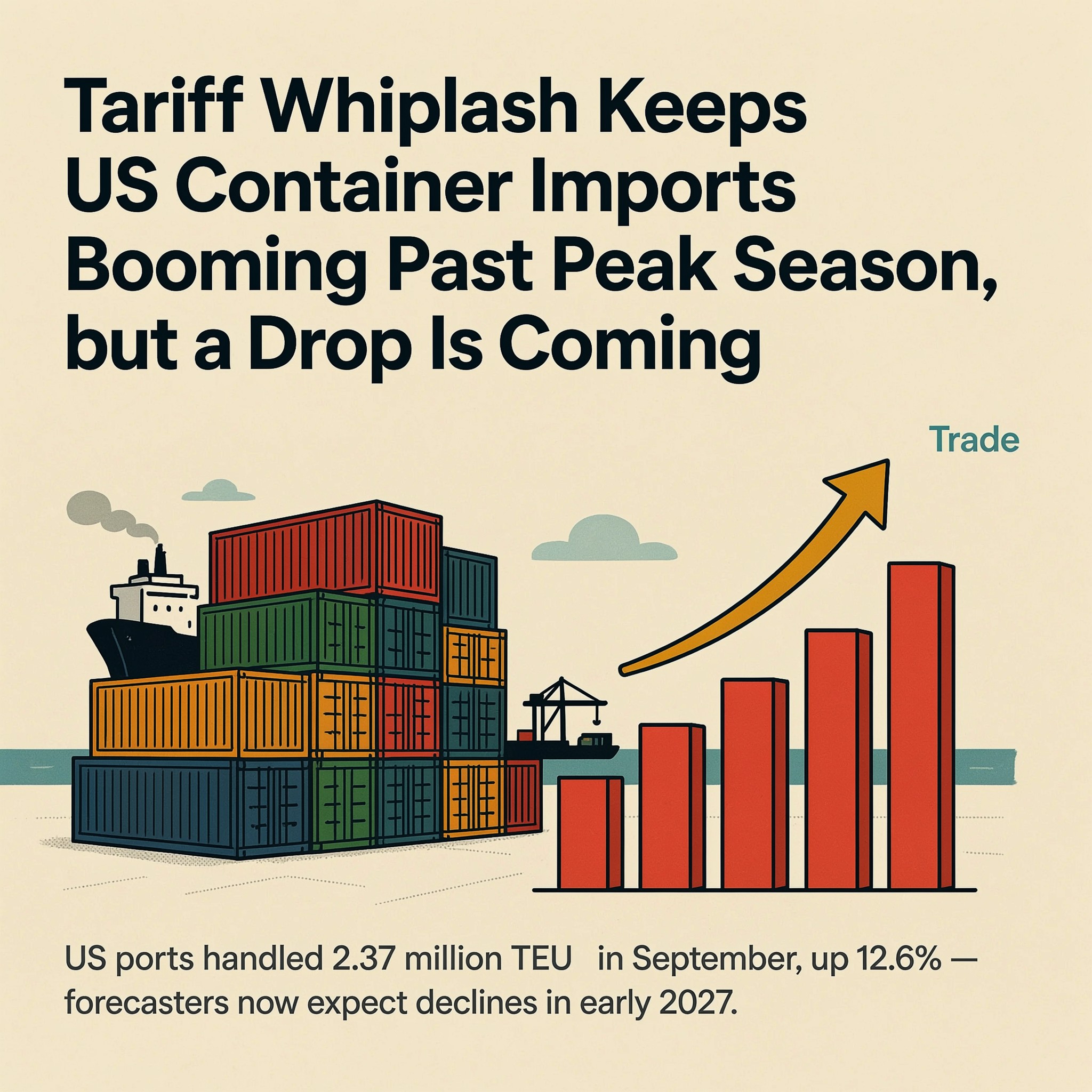
Diversifying away from one powerful partner only works if you do not end up depending on another. Canada's challenge is to sell more to China without needing China as much as it once needed the United States. Trade flows can turn quickly, as tariff whiplash at US ports shows.
Diversifying away from one powerful partner only works if you do not end up depending on another.
What You Can Actually Do About It
If you export pork, seafood, canola or peas, check whether your products are covered and what paperwork the new relief requires. If you are shopping for an electric vehicle in Canada, watch for new Chinese models and compare warranties and service networks, not just price. If you invest, notice how trade deals shift the outlook for farm, energy and auto companies. And apply the same lesson at home, by not relying on a single client, supplier or income source. Then ask yourself, should countries trade more with rivals to depend less on one big partner?
References
AFP. (2026, November 17). China and Canada agree to further tariff cuts on fringe of APEC summit. The Star. https://www.thestar.com.my/aseanplus/aseanplus-news/2026/11/17/china-and-canada-agree-to-further-tariff-cuts-on-fringe-of-apec-summit
Castanet. (2026). Carney reaches 'landmark' tariff-quota deal with China on EVs, canola. Castanet. https://www.castanet.net/news/Canada/594557/Carney-reaches-landmark-tariff-quota-deal-with-China-on-EVs-canola
Reuters. (2026, November 17). Canada and China extend trade deals as Xi meets Carney ahead of APEC summit. TimesLIVE. https://www.timeslive.co.za/news/world/2026-11-17-canada-and-china-extend-trade-deals-as-xi-meets-carney-ahead-of-apec-summit/

Comments (0)
No comments yet — be the first to comment.
Leave a comment