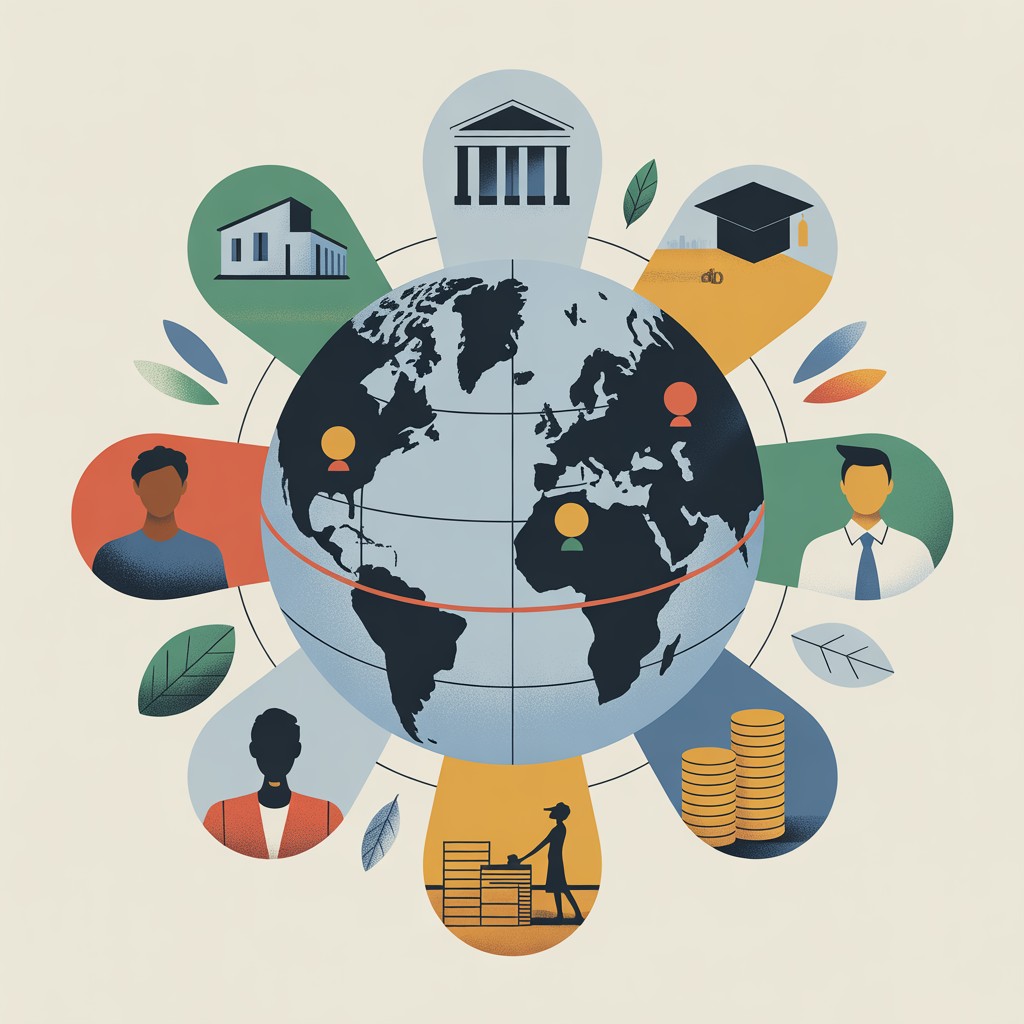
When The World Bank Acts As The Planet's Infrastructure Architect
The World Bank is the world's project manager. It builds roads, bridges, schools, hospitals, and water systems in developing nations. According to the World Bank itself, over 70 percent of its lending supports infrastructure and poverty reduction (World Bank, 2024). These projects enable economic activity and lift communities out of long-term financial hardship.
When Global Development Needs A Financial Superhero
The IMF stabilizes economies during crises, but the World Bank builds them. The IMF puts out fires, while the World Bank constructs the fire stations. The OECD notes that World Bank programs play a crucial role in shaping long-term development patterns, raising productivity, and enabling participation in global trade (OECD, 2024). Nations in Africa, Asia, and Latin America depend on its technical guidance and project financing to modernize critical infrastructure.
When Applause Quickly Meets Controversy
With great power comes significant criticism, including concerns that World Bank loans can worsen national debts or benefit elites, making its future challenges more pressing.
When Climate Change Becomes The New Financial Battlefield
In 2025, climate change is no longer an environmental issue. It is a financial one. Rising sea levels, energy transitions, and climate disasters reshape national budgets and investment priorities. The Bank has pivoted to integrate climate resilience into all major projects. The IMF highlights that climate risks threaten global financial stability, making sustainable development investments essential (IMF, 2024).
When Digital Transformation Forces The Bank To Evolve
Digital finance, identity systems, blockchain, and cross-border payment networks influence development in ways the World Bank must adapt to. Emerging economies increasingly request digital infrastructure to improve service delivery and economic participation.
When Global Debt Pressure Demands New Thinking
More than 60 percent of low-income countries face high debt risks. The World Bank must balance lending with sustainability. Analysts argue that innovative debt restructuring models are needed to prevent crises (Reinhart & Rogoff, 2022).
What This Means For You Right Now
World Bank decisions influence global supply chains, migration patterns, energy prices, and economic stability. If you live in a developing country, your roads, hospitals, and public programs may be funded by the Bank. If you live in a developed economy, global stability affects your financial markets, exports, and cost of living. Understanding the World Bank helps you understand how international development quietly shapes your daily life.
Why The World Bank Still Matters In A Complicated World
The world needs long-term, coordinated development support, and the World Bank's ability to adapt to climate risks, digital change, and debt issues will determine its future relevance.
References
Babb, S. (2021). International Development And The World Bank. https://www.routledge.com
International Monetary Fund. (2024). Fiscal Monitor. https://www.imf.org
Organisation for Economic Cooperation and Development. (2024). Sustainable Development Report. https://www.oecd.org
Reinhart, C., & Rogoff, K. (2022). This Time Really Is Different. https://press.princeton.edu
United Nations Development Programme. (2024). Financing For Development Review. https://www.undp.org
World Bank. (2024). World Development Report. https://www.worldbank.org
Comments (0)
No comments yet — be the first to comment.
Leave a comment