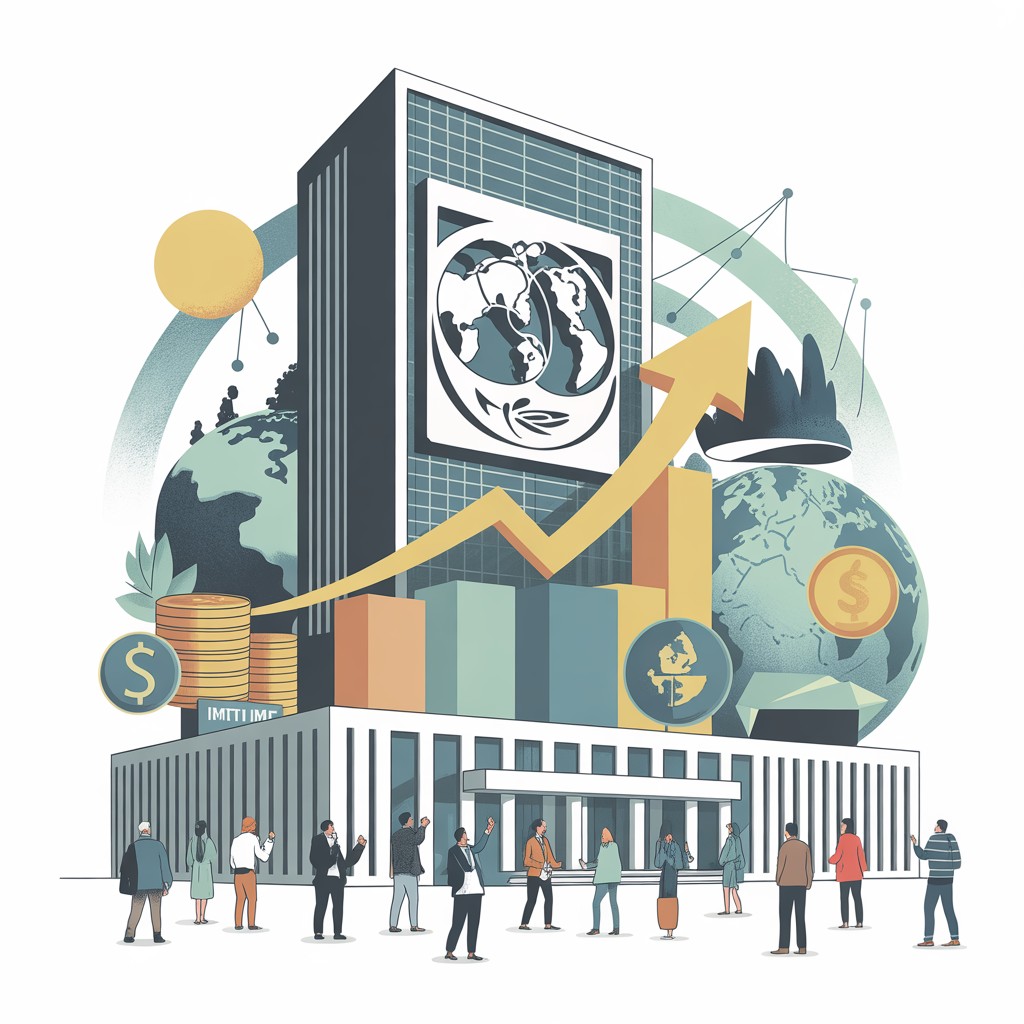
When The IMF Walks In And Every Finance Minister Suddenly Sits Up Straight
The International Monetary Fund is a 90-plus-country economic referee trusted for its surveillance, forecasts, and rescue programs. According to the IMF itself, its mandate includes maintaining global monetary cooperation and preventing financial crises from spiraling into global meltdowns (IMF, 2024). Finance ministers may not always agree with IMF recommendations, but they do pay attention.
When The IMF Plays Lifeguard For Drowning Economies
The IMF steps in when currencies collapse, governments run out of reserves, or inflation becomes an uninvited houseguest. During the pandemic, the IMF deployed trillions in financial support, which the World Bank notes prevented multiple economies from falling into full-blown depressions (World Bank, 2024). Countries such as Greece, Pakistan, and Argentina have relied on IMF support to keep essential services operating when domestic finances were in free fall.
When The Praise Comes With A Side Of Controversy
For every economist who praises the IMF for saving economies, another argues its prescriptions can be overly strict. Scholars such as Stiglitz claim IMF austerity sometimes worsens local hardship and slows recovery (Stiglitz, 2020). Critics say that cutting budgets in the middle of crises is like telling a firefighter to conserve water during a blaze. The IMF responds that its modern frameworks now emphasize social protection and inclusive growth, distancing itself from older one-size-fits-all policies.
When Global Chaos Makes The IMF More Necessary Than Ever
The world in 2025 faces inflation, fragmented supply chains, rising interest rates, and increasing debt levels. The OECD highlights that global financial conditions are tightening for many countries simultaneously, increasing the risk of cascading crises (OECD, 2024). The IMF becomes a stabilizing force, providing support where capital markets hesitate.
When Digital Currencies And Climate Change Rewrite The IMF Job Description
The next decade presents new challenges. Central bank digital currencies could reshape monetary systems. Climate risks increasingly destabilize economies, especially in vulnerable regions. The IMF has begun integrating climate risk assessments into economic surveillance and supports countries transitioning to greener economies (IMF, 2024). Debt sustainability will also demand creative solutions as many developing nations face severe repayment pressures.
What This Means For You Right Now
Your daily life is more connected to the IMF than you think. Its decisions influence your country's currency strength, inflation exposure, borrowing costs, and even the price of imported goods. If the IMF warns that your region faces fiscal stress, businesses react, markets move, and your purchasing power shifts. Understanding the IMF gives you a clearer view of your country's future financial health.
Why The IMF Still Matters In A Complicated World
The IMF remains the backbone of crisis finance, a global advisor, and the closest thing the world has to an economic firefighter. Controversies aside, no institution matches its capacity to stabilize chaos. As global uncertainty intensifies, the IMF's influence will only grow.
References
International Monetary Fund. (2024). IMF Annual Report. https://www.imf.org
Organisation for Economic Cooperation and Development. (2024). Global Economic Outlook. https://www.oecd.org
Stiglitz, J. (2020). Globalization And Its Discontents Revisited. https://wwnorton.com
World Bank. (2024). Global Financial Stability Update. https://www.worldbank.org
Reinhart, C., & Rogoff, K. (2022). This Time Really Is Different. https://press.princeton.edu
Rodrik, D. (2023). Economic Governance And Reform. https://www.hup.harvard.edu
Comments (0)
No comments yet — be the first to comment.
Leave a comment