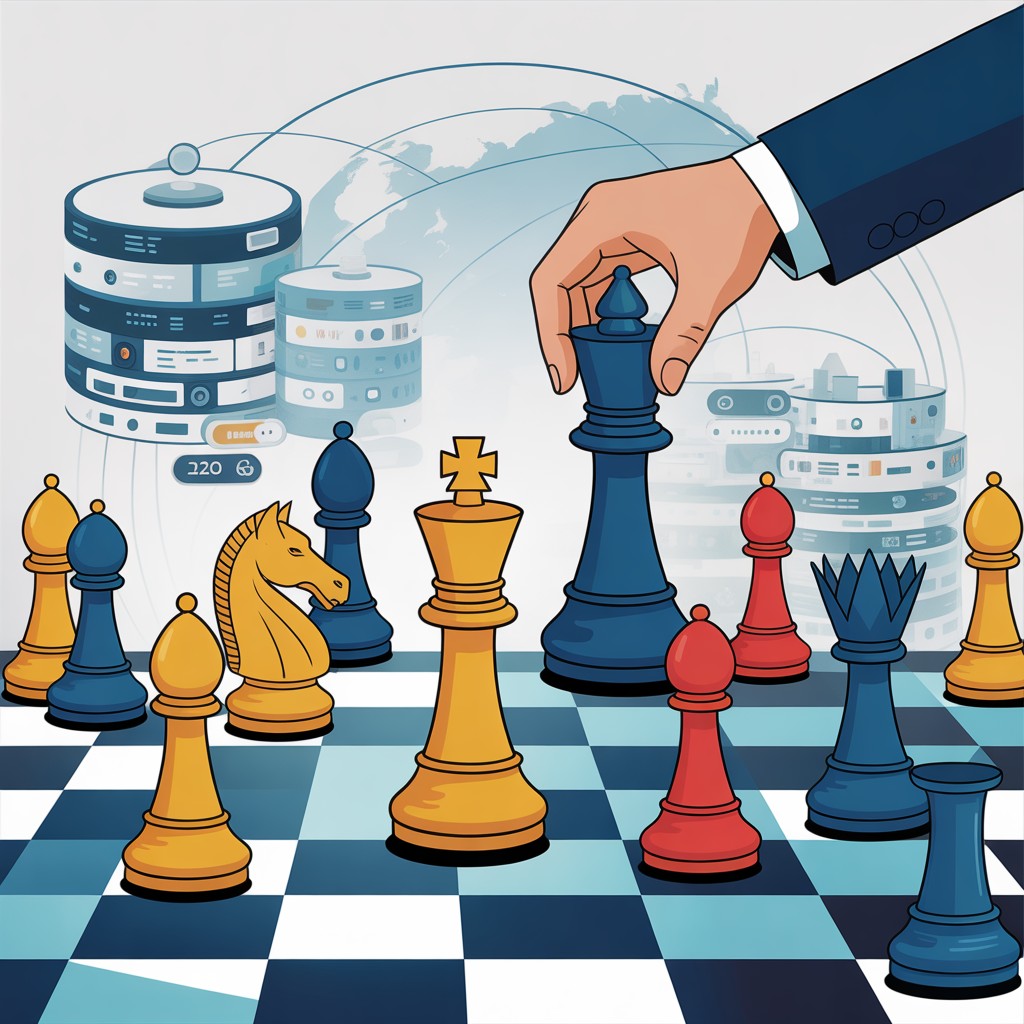
When G20 Meetings Become Economic Chess Games Instead Of Friendly Gatherings
The G20 is the world's most influential trade group, representing about 85 percent of global GDP and the majority of international commerce. When these countries disagree on tariffs, currency stability, digital trade, or investment rules, the ripple effects reach every continent.
Recent discussions show renewed tension as members debate how to protect national industries while maintaining open markets. According to the World Bank, major economies are struggling to balance domestic political pressure with global commitments to free trade (World Bank, 2024).
When Tariffs Return As The Favorite Political Tool
Tariffs are becoming fashionable again. Some countries use them to shield their industries from foreign competition. In contrast, others view them as bargaining tools in trade negotiations.
The International Monetary Fund notes that tariff escalations weaken global trade flows and often reduce competitiveness rather than improving it (International Monetary Fund, 2024).
The last seventy-two hours saw renewed debate among G20 members over whether to impose defensive tariffs on key manufacturing imports. This is creating friction between export-driven economies and countries focused on domestic industrial protection.
When Supply Chains Still Have Not Fully Recovered
The past few years have brought severe disruptions to global supply chains, from container shortages to port congestion. As countries rethink supply chain resilience, some consider localizing production, while others double down on international partnerships.
The Organisation for Economic Cooperation and Development highlights that supply chain diversification is now a top priority for governments and multinational firms (Organisation for Economic Cooperation and Development, 2024).
However, localization efforts clash with global efficiency models, creating new tension within the G20.
When Digital Trade Creates New Rivalries Instead Of New Opportunities
Digital trade platforms, Artificial Intelligence regulations, data governance frameworks, and cross-border digital services are becoming increasingly contentious.
What used to be a simple trade in goods is now a complex web of data flows, cloud-computing rules, and technology-sovereignty concerns.
MIT researchers explain that digital trade conflicts are growing because countries compete for technological dominance rather than just market share (MIT Digital Trade Study, 2024).
When Developing Economies Push Back Against Unequal Frameworks
Several G20 members argue that current trade structures benefit advanced economies more than emerging ones.
They want greater access to markets, fairer tariff frameworks, and improved support for digital transition.
International development experts emphasize that trade rules need modernization to support inclusive growth, especially for economies still recovering from pandemic disruptions (United Nations Trade Forum, 2024).
What This Means For You Right Now
If you work in a global industry, expect more volatility in trade agreements and supply chain operations.
If you are an investor, monitor sectors affected by tariffs such as manufacturing, automotive, agriculture, and technology.
If you manage logistics or procurement, prioritize supply chain resilience and multi-market sourcing strategies.
Trade tension does not mean collapse. It means adaptation.
Why These G20 Debates Matter In 2025
The G20 shapes global trade rules, investment flows, and the stability of international markets.
Rising tariff debates and digital trade disagreements highlight how countries are redefining the meaning of global cooperation and economic partnerships in 2025.
The outcomes of these G20 discussions will impact currency stability, supply chain security, and global competitiveness, affecting industry strategies for years to come.
References
International Monetary Fund. (2024). Trade Policy And Global Growth Report. https://www.imf.org
MIT Digital Trade Study. (2024). Technology Competition And Digital Trade Conflicts. https://www.mit.edu
Organisation for Economic Cooperation and Development. (2024). Supply Chain Diversification And Trade Outlook. https://www.oecd.org
United Nations Trade Forum. (2024). Inclusive Globalization And Emerging Market Challenges. https://www.un.org
World Bank. (2024). Global Trade And Economic Strategy Report. https://www.worldbank.org
Comments (0)
No comments yet — be the first to comment.
Leave a comment