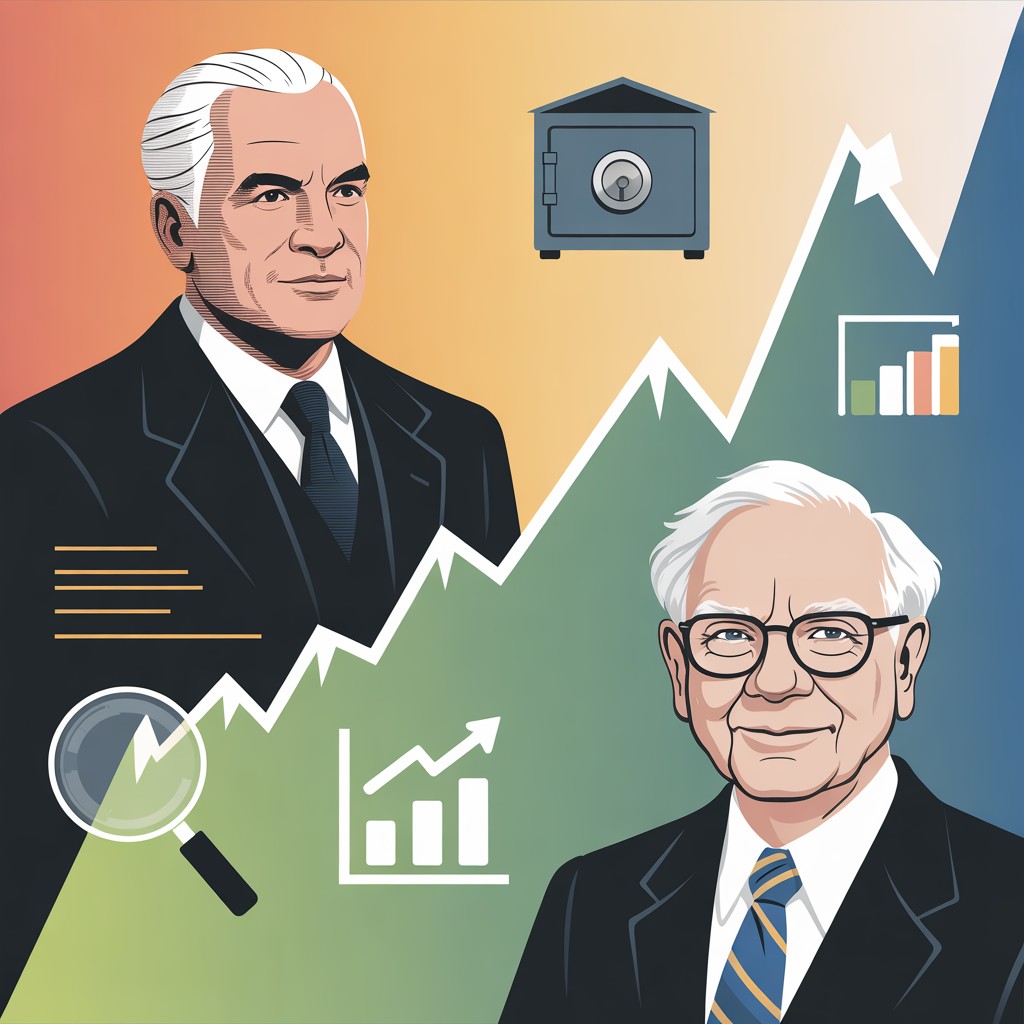
When The Legends Of Finance Still Outsmart Modern Algorithms
Long before AI-powered trading systems and predictive analytics, finance was ruled by investors whose insights came from experience, not servers. Among them, two giants dominate history narratives. JPMorgan was the banking titan of the early 1900s. And Warren Buffett, the quiet Midwestern strategist who became the world's most successful value investor. According to the Federal Reserve historical review, Morgan's actions during financial panics prevented larger national collapses (Federal Reserve, 2023). Meanwhile, Buffett's consistent long-term returns are still studied in elite business schools globally.
When JP Morgan Became The Unofficial Federal Reserve Before The Real One Existed
During the Panic of 1907, US markets spiraled into fear as liquidity dried up. JP Morgan stepped in, orchestrated bank cooperation, and stabilized the system. He used reputation, negotiation, and sheer authority to stop the panic. Scholars argue that his influence effectively acted as a precursor to modern central banking mechanisms (Chernow, 2010). Morgan's decisions shaped financial governance, infrastructure, and the foundations of systemic stability.
When Warren Buffett Mastered The Art Of Calm Investing In A Loud World
Warren Buffett's philosophy centers on buying undervalued companies and holding them long enough to unlock their true potential. As he famously said, the stock market is a device for transferring money from the impatient to the patient. The OECD notes that Buffett's long-term approach reduces emotional bias and maximizes compounding returns (OECD, 2024). His firm, Berkshire Hathaway, continues to outperform market averages through disciplined investing, strong management selection, and consistent capital allocation.
When Modern Finance Still Relies On Ancient Wisdom
In a world of crypto and algorithmic trading, lessons from JP Morgan and Warren Buffett remain vital. Their focus on value, risk management, and patience continues to guide investors. Emphasizing these timeless principles helps readers see their relevance in 2025 and beyond.
When Other Legends Also Deserve A Spot On The Finance Mount Rushmore
Investing history includes other icons such as Benjamin Graham, the father of value investing. Peter Lynch, who mastered growth investment strategies. And JP Morgan Chase modern leadership, which continues shaping global banking policies and risk management standards (JPMC, 2024). Each contributed frameworks that guide investors today.
When History Proves Finance Is About Human Behavior, Not Just Numbers
Markets are driven as much by emotion as by data. Morgan and Buffett's success came from understanding people as much as understanding financial statements. Their careers teach that discipline, calm judgment, and rational analysis consistently outperform the noise of speculation.
What This Means For You Right Now
Applying lessons from JP Morgan and Warren Buffett can significantly improve your own financial decisions. Whether you invest in stocks, real estate, crypto, or business ventures, the fundamentals they practice remain timeless. Think long term. Research deeply. Avoid emotional reactions. And always respect the power of risk.
Why These Legends Matter In 2025
Technology evolves, but human behavior remains constant. Markets still panic, and investors chase quick gains. Morgan built the system, Buffett mastered it, and their legacies continue to influence investment strategies in 2025, making their lessons essential for all investors today.
References
Chernow, R. (2010). The House of Morgan. https://www.penguinrandomhouse.com
Federal Reserve. (2023). Historical Crisis Intervention Review. https://www.federalreserve.gov
Harvard Business School. (2023). Behavioral Finance And Value Investing. https://www.hbs.edu
JP Morgan Chase. (2024). Global Investment Outlook. https://www.jpmorganchase.com
Organisation for Economic Cooperation and Development. (2024). Investment Strategy Report. https://www.oecd.org
World Bank. (2024). Financial Systems Overview. https://www.worldbank.org
Comments (0)
No comments yet — be the first to comment.
Leave a comment